Start Planning Your Concrete Project
Concrete Crack Repair: How to Repair Cracks in Concrete Step by Step
Concrete crack repair is one of the most common issues homeowners face in Eden, NY. You walk outside and notice a thin line in your driveway. You see a split along your garage floor. It may look small, but ignoring it can lead to bigger damage.
Concrete crack repair is not just about appearance. It protects your surface from water, freeze thaw damage, and long term structural problems. In this guide, we explain how to repair cracks in concrete step by step. You will learn what causes cracks, what tools you need, and when to handle the repair yourself or call a professional.
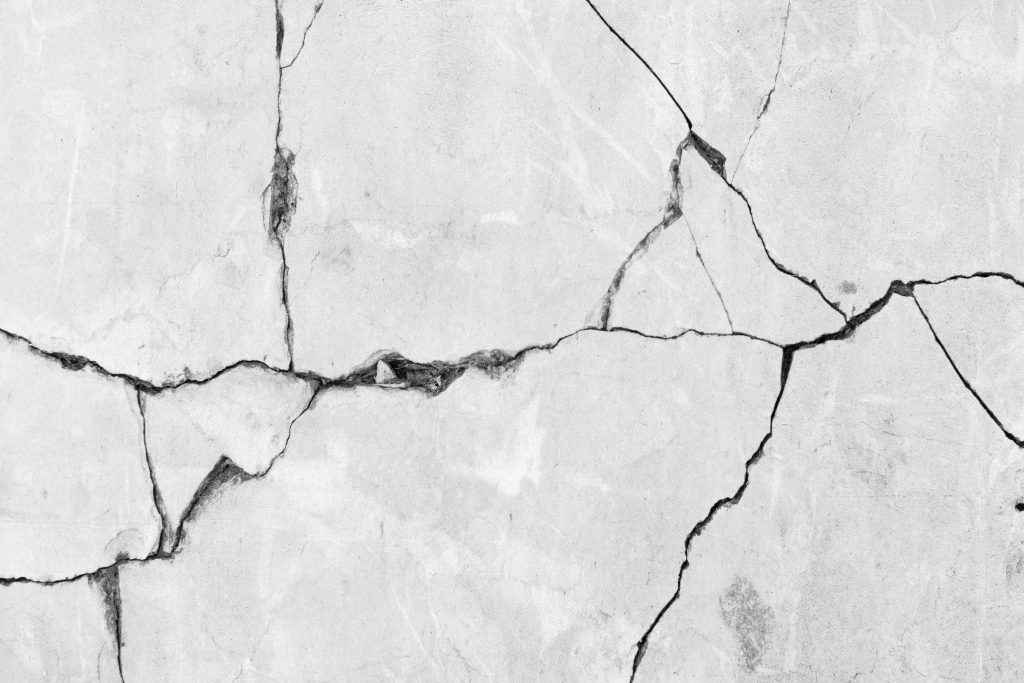
Why Concrete Cracks in the First Place
Before you repair concrete cracks, you need to understand why they happen. Concrete is strong, but it is not flexible. Over time, pressure and weather take their toll.
Freeze and Thaw Cycles
In Western New York, water enters small pores in the concrete. When temperatures drop, that water freezes and expands. This repeated cycle creates stress that leads to cracking.
Poor Drainage
Water pooling around your driveway or foundation weakens the base. Over time, this causes settlement and surface cracks. Proper yard drainage solutions can prevent this issue.
Heavy Loads
Driveways are built to handle vehicles, but not all slabs are reinforced properly. Without a reinforced concrete driveway, stress cracks can form. This is where concrete driveway crack repair becomes necessary.
Soil Movement
Soil expands when wet and shrinks when dry. That movement shifts the slab and creates tension.
Improper Installation
If the base was not compacted correctly or lower quality materials were used, cracks can appear early. Solid prep work matters.
Types of Cracks You May See
Not all cracks are the same. Knowing the type helps you decide how to repair cracks in concrete correctly.
Hairline Cracks
These are thin surface cracks. They are usually cosmetic but can allow moisture in.
Shrinkage Cracks
These form during curing as concrete loses moisture. They are common in slabs and floors.
Settlement Cracks
These appear when the ground shifts under the slab. They may widen over time.
Structural Cracks
Cracks wider than 1/4 inch may signal deeper issues. Concrete floor crack repair in a basement could point to foundation movement. In these cases, foundation repair services may be required.
Tools and Materials for Concrete Crack Repair
If you are planning a concrete crack repair project, gather the right tools first.
You will need:
- Wire brush
- Chisel and hammer
- Shop vacuum
- Caulking gun
- Putty knife or trowel
- Pressure washer for outdoor areas
Materials may include:
- Concrete crack filler
- Patching compound
- Epoxy or polyurethane injection kits
- Bonding adhesive
- Concrete sealer
Using the correct materials makes a big difference in how long the repair lasts.
How to Repair Cracks in Concrete Step by Step
If you are asking how to repair a crack in concrete, follow these steps carefully.
Step 1. Inspect the Crack
Measure the width and check for movement. If one side is higher than the other, or if the crack keeps growing, professional evaluation may be needed.
Step 2. Clean the Area
Use a wire brush to remove loose debris. Chip away weak edges with a chisel. Vacuum the dust. For exterior surfaces, pressure wash and allow the area to dry completely.
Clean surfaces are critical for strong bonding.
Step 3. Widen the Crack Slightly
Use a chisel to form a small V shape along the crack. This helps the filler bond better and improves the durability of the concrete crack repair.
Step 4. Apply Bonding Adhesive
For deeper cracks, brush in bonding adhesive. This step strengthens the connection between old and new material.
Step 5. Fill the Crack
For narrow cracks, use a liquid concrete crack filler and apply it with a caulking gun. Smooth it with a putty knife.
For wider cracks, press patching compound firmly into the space. Smooth the surface evenly.
For structural concrete floor crack repair, epoxy injection may be required to bond the slab back together.
Step 6. Allow Proper Curing
Follow manufacturer guidelines. Keep traffic off the repaired area until fully cured.
Step 7. Seal the Surface
After curing, apply a quality sealer. This protects against moisture and salt damage, especially during winter.
How to Repair Cracks in Concrete Driveway
Concrete driveway crack repair follows the same general steps, but driveways face heavier stress.
Before filling the crack, remove oil stains and debris. Make sure the base is stable. If cracks continue to return, the issue may be below the surface.
In some cases, full concrete driveway installation or replacement is the smarter long term solution. Proper grading and reinforcement help prevent repeat problems.
If water pooling is the cause, exterior drainage solutions can redirect runoff and protect the slab.
Concrete Floor Crack Repair in Basements and Garages
Concrete floor crack repair indoors requires special attention. Basement cracks can allow water to enter. Over time, this may lead to moisture damage and structural concerns.
If active water is present, surface patching alone will not solve the issue. Interior drainage systems or foundation crack repair may be necessary. Our foundation repair services focus on sealing cracks and protecting against winter moisture and snowmelt.
When DIY Concrete Crack Repair Makes Sense
You can handle smaller repairs yourself if:
- The crack is narrow and stable
- There is no vertical displacement
- No active water intrusion is present
In these cases, learning how to repair cracks in concrete can save time and money.
When to Call a Professional
If cracks are wide, uneven, or spreading quickly, the cause may be soil movement or poor base preparation.
Excavation services may be required to correct grading issues. If a slab has failed completely, removal through land clearing services and demolition work may be necessary before new concrete is poured.
Recurring cracks often point to drainage issues. Proper surface water management helps protect both driveways and foundations.
Preventing Future Cracks
Concrete crack repair solves current damage, but prevention protects your investment.
- Direct downspouts away from slabs
- Seal concrete every few years
- Avoid parking heavy vehicles on residential slabs not designed for that weight
- Choose reinforced concrete driveway construction with proper base prep
Quality materials and careful installation reduce long term cracking.
The Cost of Waiting
Small cracks may seem harmless. But water enters. Freeze thaw cycles expand the gap. Over time, sections break apart.
Early concrete crack repair is far more affordable than full slab replacement. Acting quickly limits damage and keeps your property looking clean and well maintained.
Why Installation Quality Matters
Since 2016, we have seen how proper preparation impacts long term durability. A stable base, reinforced concrete driveway construction, and strong materials reduce the need for future repairs.
As a trusted concrete contractor in Eden, NY, we focus on solid prep work, dependable scheduling, and clean job sites. We use quality materials. We power wash surfaces after the job is done. We do not leave debris in your bins.
Concrete crack repair is often preventable when the original work is done right. If you are dealing with driveway cracks, basement floor issues, or drainage concerns, TG Property Maintenance can help. We provide concrete driveway crack repair, foundation repair services, yard drainage solutions, excavation services, and land clearing services throughout Eden, NY. Call us at (716) 352-3481 for reliable work you can count on.