Start Planning Your Concrete Project
Define Excavation and Understand Its Role in Construction Projects
Every strong construction project begins with proper ground preparation. Before concrete is poured or structures are built, the land must be shaped and stabilized. That is why it is important to clearly define excavation and understand how it supports construction projects.
When we define excavation, we are describing the process of removing soil, rock, or debris from the ground so construction can safely begin. Excavation prepares the site for foundations, drainage systems, and concrete surfaces like driveways and patios.
Without proper excavation in construction, buildings may settle unevenly, water may collect around foundations, and concrete surfaces can crack over time.
In this guide, we will clearly define excavation, explain why excavation in construction is essential, discuss excavation safety, and answer the common question, what does an excavating company do?
What Does It Mean to Define Excavation?
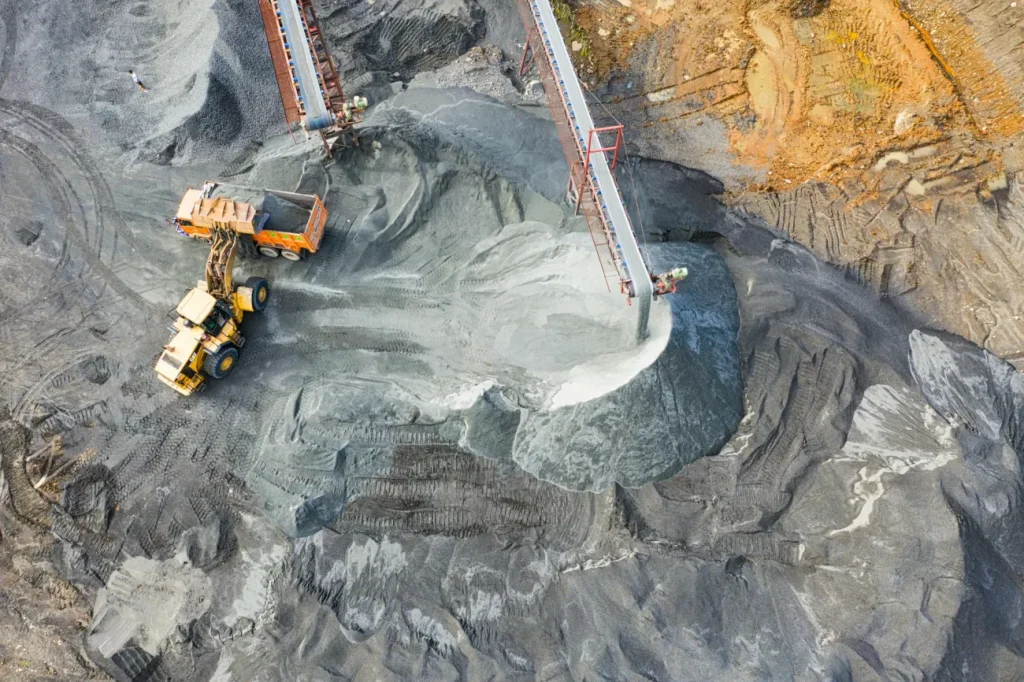
To define excavation, we describe the process of digging, removing, and relocating earth to prepare land for construction or infrastructure projects. Excavation allows builders to create the correct depth, shape, and support for new structures.
Excavation work can involve:
- Digging trenches for drainage or utilities
- Removing unstable soil
- Leveling land for concrete work
- Preparing ground for foundations
- Clearing debris and vegetation
When we define excavation in construction, we are describing one of the most important early steps in the building process. It creates a stable base that supports everything built above it.
For example, installing a new driveway requires excavating the soil to a specific depth. This creates space for a compacted base and reinforced concrete.
Projects like Residential Concrete Driveways rely on proper excavation so the finished surface stays strong and level for years.
Why Excavation in Construction Is Essential
Excavation in construction prepares land so it can safely support structures, surfaces, and drainage systems.
The ground beneath any building or concrete slab must be stable. If the soil is uneven or too soft, the structure above it may shift or settle.
Excavation solves this problem by shaping and preparing the ground before building begins.
Excavation in construction helps with:
- Creating stable foundations
- Preparing driveways and patios
- Installing drainage systems
- Managing surface water flow
- Removing unsuitable soil
For example, before installing a backyard patio, excavation removes grass, roots, and loose soil. A strong base can then be placed before concrete is poured.
This preparation is essential for projects like Decorative Patios & Walkways, where stability and drainage both matter for long term performance.
What Does an Excavating Company Do?
Many property owners ask the same question, what does an excavating company do?
An excavating team prepares land for construction projects by moving soil, shaping terrain, and removing debris. This work ensures the ground is ready for concrete installations, drainage systems, and structural improvements.
Common excavation tasks include:
Site Preparation
Before construction begins, the site must be cleared and leveled. This may involve removing vegetation, debris, or unstable soil.
Land Grading
Grading shapes the slope of the property. Proper grading directs water away from structures and helps prevent flooding.
Trenching
Excavation often includes digging trenches for drainage pipes or utility lines.
Soil Removal
Sometimes soil must be removed and replaced with stronger compacted material that supports construction.
Drainage Installation
Excavation is necessary when installing exterior drainage systems that move water away from structures.
Work such as Drainage & Water Management depends on accurate digging and grading so water flows safely away from homes and concrete surfaces.
Land Clearing
Excavation teams also remove brush, trees, and debris when preparing land for building or landscaping projects.
This process often connects with Demolition & Land Clearing when older structures or overgrown areas must be removed.
Types of Excavation Used in Construction
Excavation in construction can involve several different methods depending on the project requirements.
Topsoil Excavation
This removes the upper layer of soil that contains vegetation and organic materials. Topsoil is not strong enough to support construction.
Earth Excavation
This type removes soil beneath the top layer so the site can support foundations or concrete surfaces.
Trench Excavation
Trenches are dug to install underground systems such as drainage pipes or utility lines.
Foundation Excavation
This excavation creates space for foundation repairs or structural support work.
Cut and Fill Excavation
Cut and fill reshapes land by removing soil from higher areas and placing it in lower areas to create a level surface.
These methods allow construction teams to properly prepare land for buildings, drainage systems, and concrete structures.
Before Excavation Work Begins Employers Must Plan Carefully
Before excavation work begins employers must take several important safety and planning steps. These steps protect workers, nearby structures, and underground utilities.
Excavation involves heavy machinery and unstable soil conditions, so preparation is critical.
Before excavation work begins employers must complete tasks such as:
Utility Identification
Underground utilities like gas lines, electrical cables, and water pipes must be located and marked.
Soil Evaluation
The type and stability of soil must be evaluated to determine the safest excavation method.
Worksite Planning
The excavation area must be clearly defined and prepared for equipment operation.
Equipment Inspection
Machinery used for excavation must be checked to ensure it operates safely.
Hazard Identification
Potential hazards such as unstable slopes or nearby structures must be identified before digging begins.
These planning steps help ensure excavation work is completed safely and efficiently.
The Importance of Excavation Safety
Excavation safety plays a critical role in protecting workers and maintaining stable work sites.
Excavation can create deep trenches and exposed soil walls. Without proper precautions, these areas may collapse or create hazards.
Key excavation safety practices include:
Preventing Soil Collapse
Sloping, benching, or support systems help prevent trench walls from collapsing.
Equipment Awareness
Workers must remain clear of operating machinery and maintain safe distances from excavation edges.
Proper Drainage
Water buildup in excavation areas can weaken soil. Proper drainage helps maintain stable conditions.
Clear Communication
Construction crews must coordinate closely during excavation to avoid accidents and keep work organized.
Following strong excavation safety practices keeps projects moving smoothly while protecting everyone on the site.
How Excavation Supports Concrete Projects
Concrete installations depend on proper excavation. Without correct site preparation, concrete surfaces may crack or shift over time.
Excavation removes unstable soil and creates the depth required for base materials and reinforced concrete.
This preparation is important for:
- Concrete driveways
- Patios and walkways
- Drainage installations
- Foundation repair work
Accurate grading also ensures water flows away from concrete surfaces rather than pooling around them.
Projects supported by Excavation Services help create stable ground conditions so concrete surfaces perform as expected for years.
Signs Your Property May Need Excavation
Some properties require excavation to correct land or drainage problems.
Common signs include:
Standing Water
Water that collects in a yard often indicates poor grading or drainage issues.
Uneven Ground
Sloped or uneven areas may require grading before construction projects can begin.
Drainage Problems Near Foundations
Water collecting near foundations may require excavation to install drainage systems.
Overgrown or Unusable Land
Brush and debris may need to be cleared before land can be used for construction or landscaping.
Excavation reshapes the property so it functions properly and supports future improvements.
Understanding How to Define Excavation Helps Property Owners Plan Projects
When property owners define excavation, they gain a better understanding of how construction projects begin and why proper site preparation matters.
Excavation in construction provides the stable ground needed for driveways, patios, drainage systems, and structural work. It also helps prevent water damage and soil movement.
By learning to define excavation, property owners can better understand the importance of planning, proper grading, and excavation safety during any construction project.
Work With a Local Team That Handles Excavation With Care
At TG Property Maintenance, we help property owners in Eden, NY prepare their land for construction projects the right way. Our crew handles excavation, grading, land clearing, and drainage preparation with careful attention to detail and a clean job site. Whether you are planning a driveway, patio, or drainage improvement, we prepare the ground so the project starts on stable footing. Call (716) 352-3481 to schedule dependable excavation work from a team known for reliability and professional results.